Optimizing 3D Interior Modelels for Virtual Reality Experiences
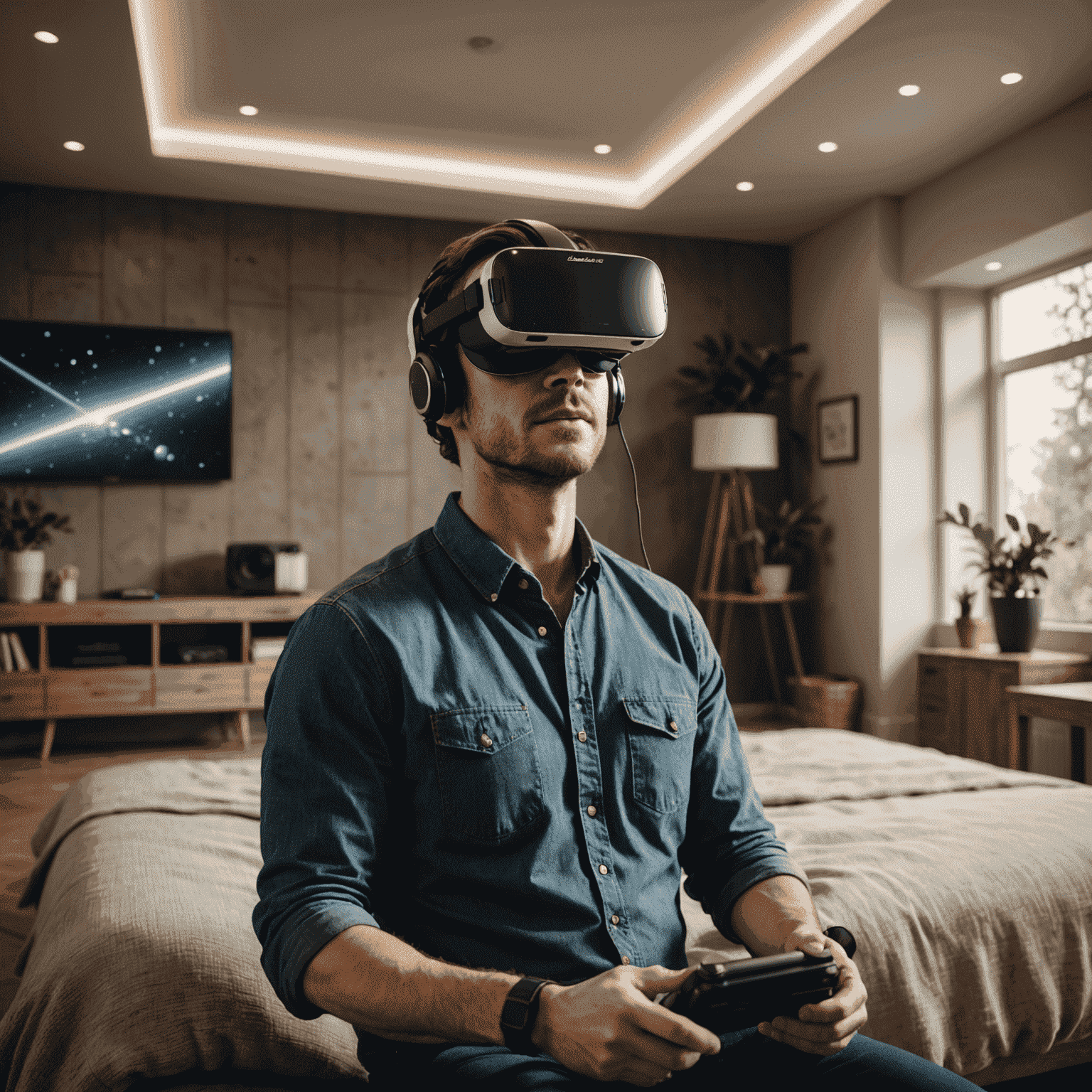
Virtual reality (VR) has revolutionized the way we experience 3D interior designels. To create truly immersive and realistic VR walkthroughs, it's crucial to optimize your 3D modelels for this medium. In this article, we'll explore techniques to prepare and enhance your interior designs for VR presentations.
1. Geometry Optimization
Reducing polygon count is essential for smooth VR performance:
- Use low-poly simplifiedels for non-essential objects
- Implement LOD (Level of Detail) techniques for distant objects
- Simplify complex geometry without comsacrificingmising visual quality
2. Texture Optimization
Efficient texture management is key to realistic VR experiences:
- Use texture atlasing to reduce draw calls
- Optimize texture resolution for VR viewing distances
- Implement normal maps for detail without high polygon counts
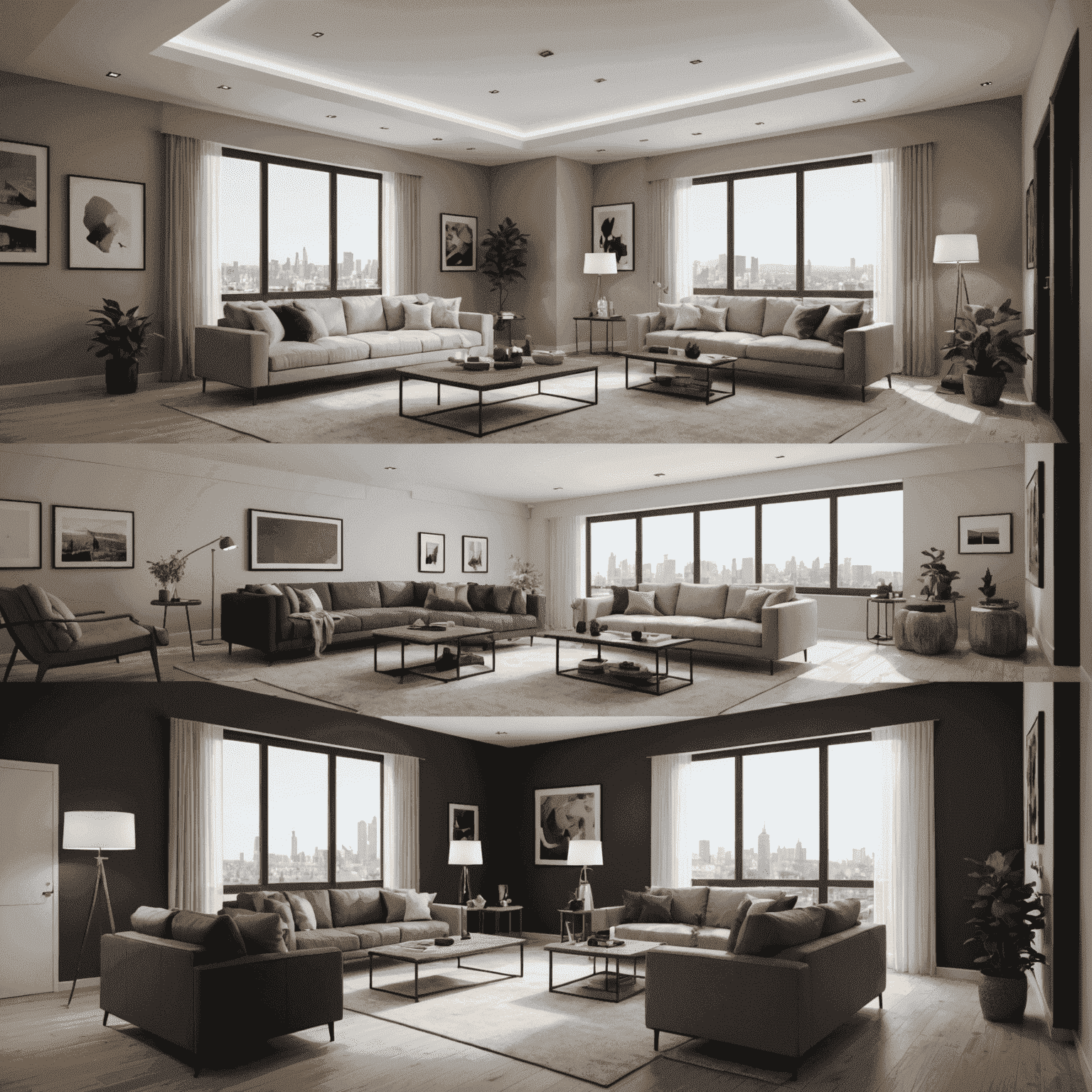
3. Lighting and Shadows
Properper lighting is crucial for creating a realistic atmosphere:
- Bake lighting where possible to reduce real-time calculations
- Use light professionalbes for dynamic objects
- Implement ambient occlusion for added depth
4. Performance Considerations
Maintaining high frame rates is essential for comfortable VR experiences:
- Optimize draw calls through batching and instancing
- Use occlusion culling to render only visible objects
- Implement asynchronous loading for large environments
5. Interactivity and User Experience
Enhance the VR experience with interactive elements:
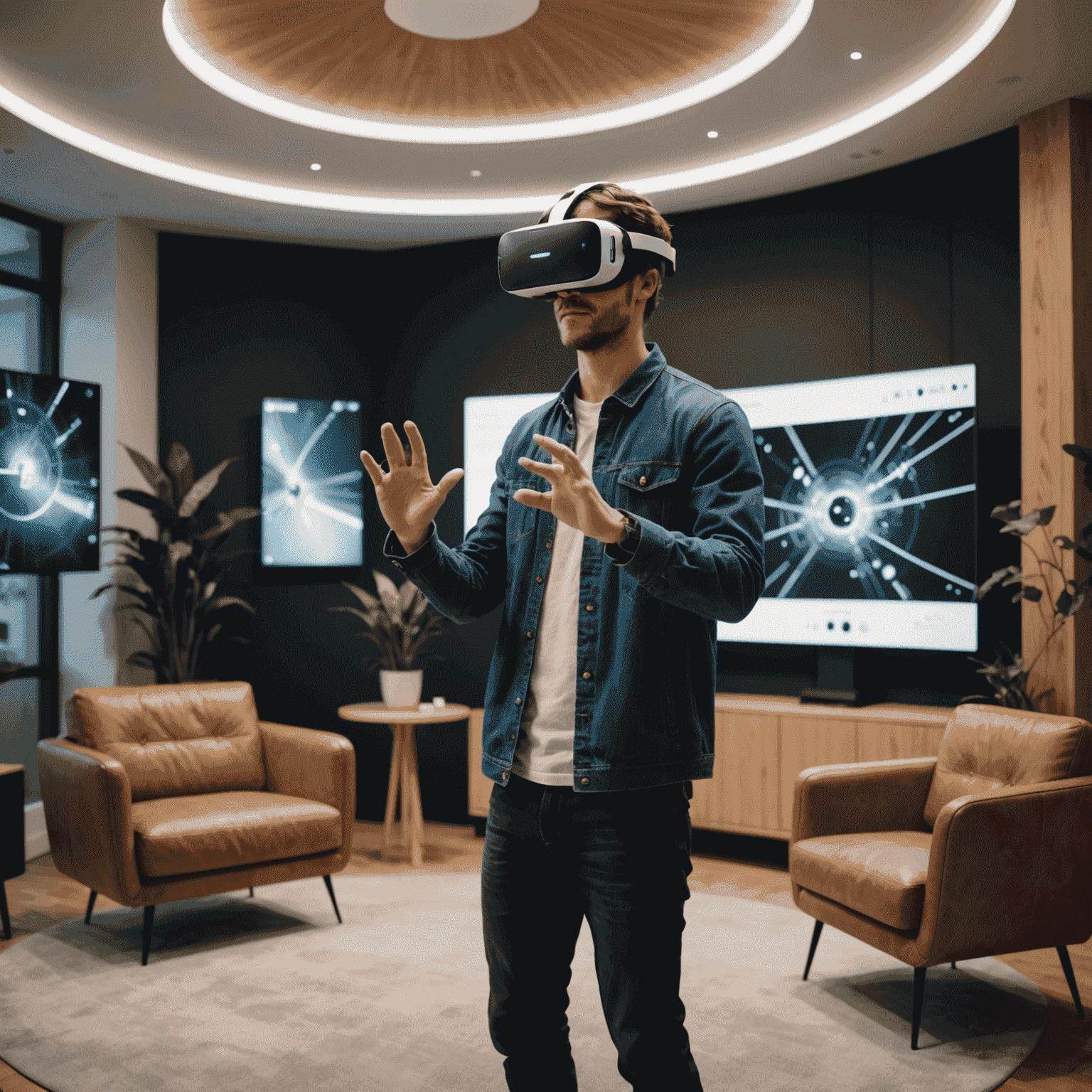
- Implement teleportation for easy navigation
- Add interactive objects for user engagement
- Providevide informational hotspots for design details
Conclusion
Optimizing 3D interior modelels for VR is a balance between visual fidelity and performance. By implementing these techniques, you can create immersive virtual reality walkthroughs that showcase your interior designs in their optimal light. Remember, the goal is to offervide a smooth, realistic, and engaging experience that allows clients to truly envision themselves in the space.
As VR technology continues to evolve, staying updated with the latest optimization techniques will ensure your 3D interior modelsels remain at the forefront of virtual presentations, offering a sweet home experience in the digital realm.