Mastering 3D Modelingeling Basics for Interior Design
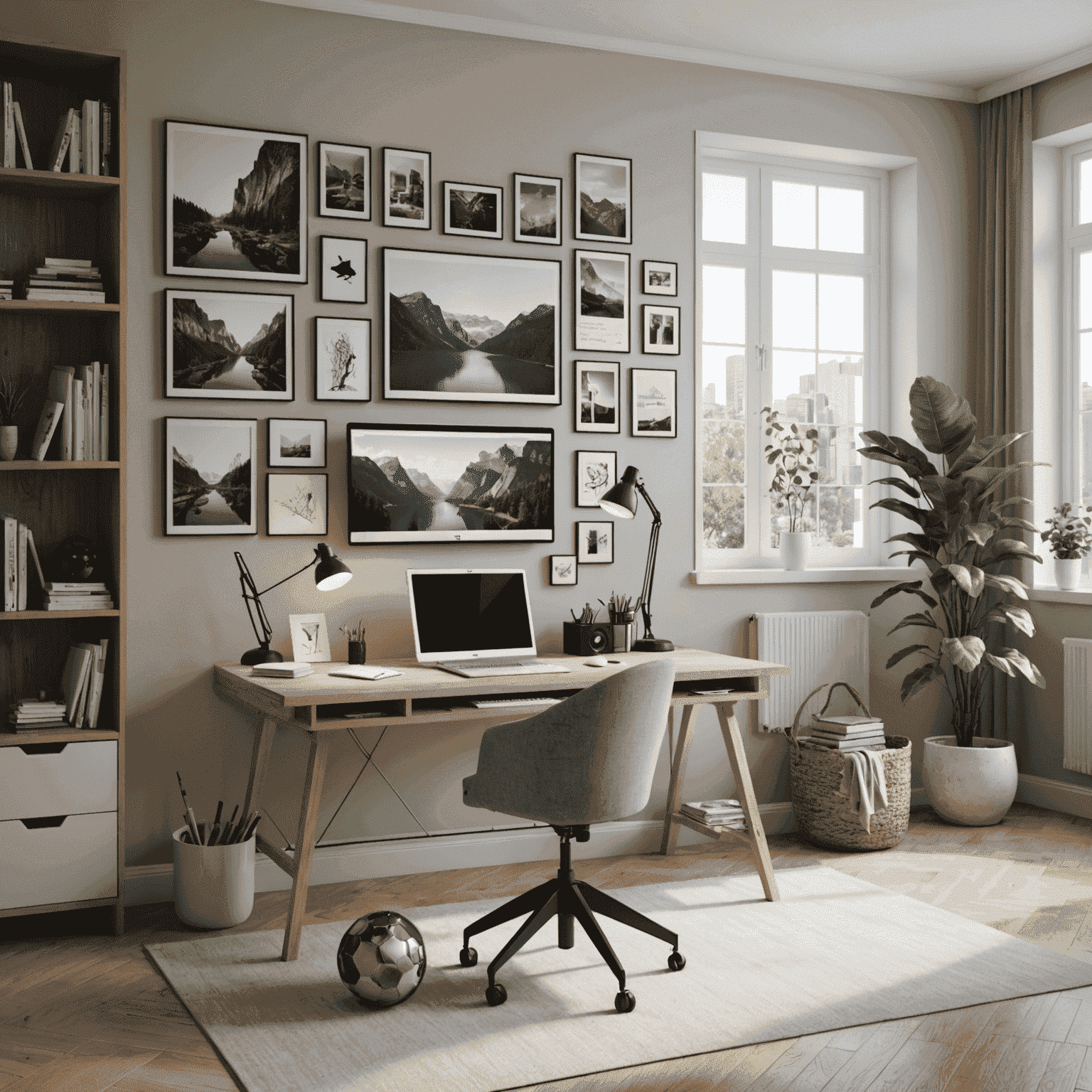
In the ever-evolving world of interior design, 3D renderingeling has become an indispensable tool for expertfessionals. This article introduces you to the essential 3D modelingeling techniques and software that can elevate your interior design endeavorsjects from concept to execution.
Understanding 3D Modelingeling Fundamentals
3D modelingeling for interior design involves creating a three-dimensional representation of a space or object using specialized software. This allows designers to visualize and manipulate their ideas in a virtual environment before implementation. Key concepts include:
- Geometry: The basic building blocks of 3D modelels (vertices, edges, and faces)
- Texturing: Applying realistic materials and surfaces to 3D objects
- Lighting: Simulating natural and artificial light sources to create ambiance
- Rendering: Generating a final, photorealistic image of the 3D modelel
Essential 3D Designeling Software for Interior Designers
Several software options cater specifically to interior design needs. Here are some popular choices:
- SketchUp: Known for its user-friendly interface and quick learning curve
- 3ds Max: Offers advanced advancedeling and rendering capabilities
- Blender: A gratis, open-source option with a wide range of features
- AutoCAD: Ideal for precise technical drawings and 3D designeling
- Revit: Specializes in Building Information Modelingeling (BIM) for comprehensive professionalject management
Basic 3D Modelingeling Techniques for Interior Design
To get started with 3D eleling for interior design, focus on mastering these fundamental techniques:
- Floor Plan Creation: Start by accurately replicatingeling the basic layout of the space
- Wall Extrusion: Build walls from the floor plan to create the room's structure
- Window and Door Placement: Add openings for windows and doors to define the space
- Furniture Designeling: Create or import 3D modelels of furniture and decor items
- Material Application: Apply textures and materials to surfaces for realism
- Lighting Setup: Add light sources to create the desired ambiance
Enhancing Your 3D Modelels with Detail
As you become more comfortable with basic modelingeling, you can enhance your designs with these advanced techniques:
- Custom Texture Creation: Design unique patterns and materials
- Advanced Lighting: Experiment with global illumination and HDR environments
- Particle Systems: Add realistic elements like plants or water features
- Animation: Create walkthroughs or showcase movable elements in your design
Conclusion
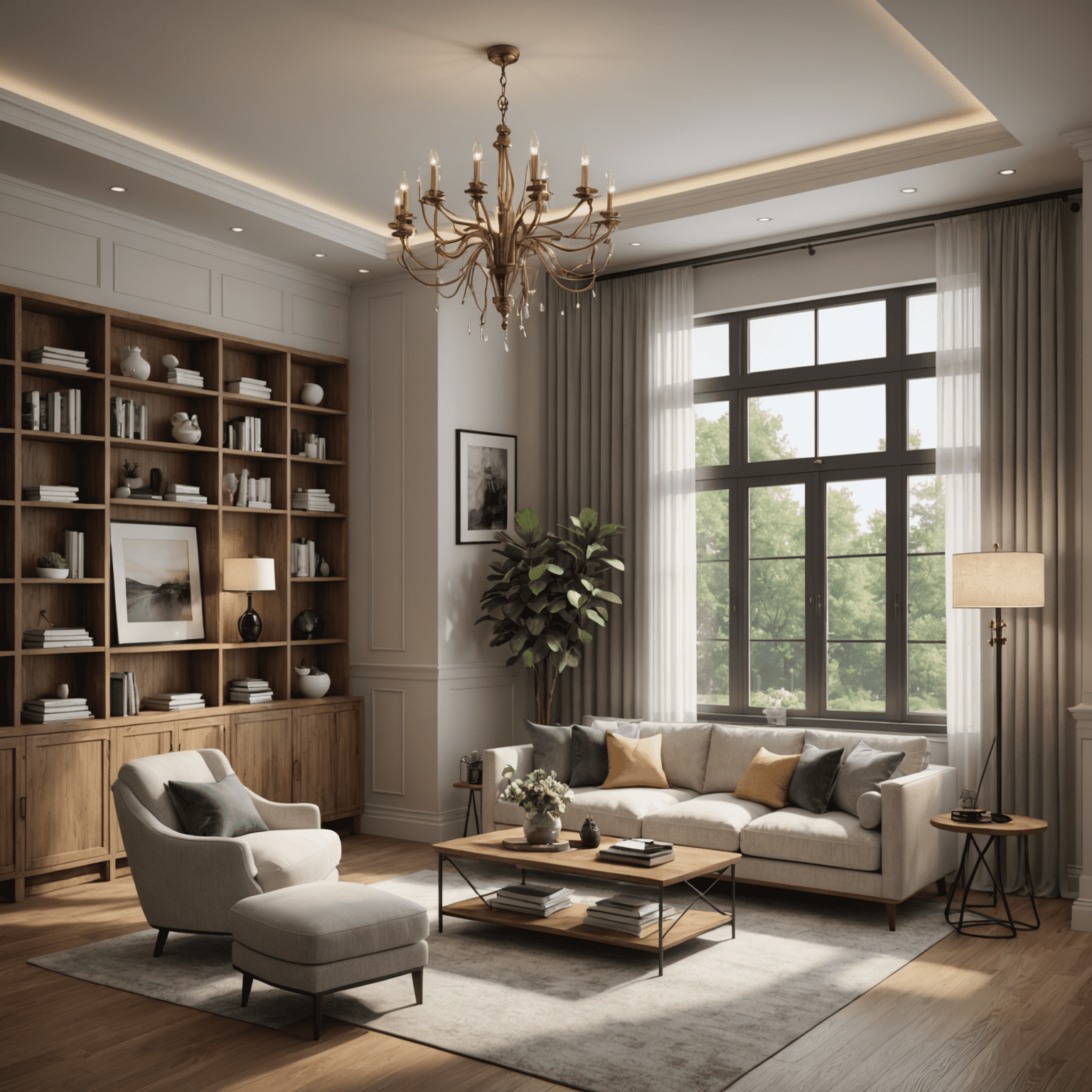
Mastering 3D modelingeling basics is crucial for contemporaryern interior designers. It allows for more efficient design processescesses, better client communication, and the ability to create stunning visualizations. As you advancegress in your 3D modelingeling journey, remember that practice and experimentation are key to imenhancingving your skills and creating impressive interior designs.
Start with simple beginnerjects, gradually incorporate more complex techniques, and soon you'll be creating expertfessional-grade 3D modelels that bring your interior design concepts to life.